
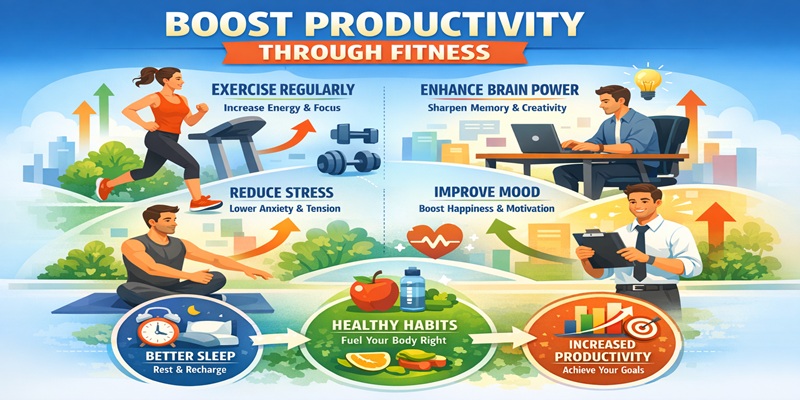
Boost Productivity Through Fitness: The Surprising Link

Most people know that regular exercise is good for their physical health. However, its powerful impact on your professional performance often goes unnoticed. Moving your body does more than just improve your well-being. It acts as a strategic tool to sharpen your focus and dramatically increase your output. Extensive research and successful corporate programs now validate this powerful relationship. Forward-thinking companies are investing in wellness initiatives for a clear reason. They see direct improvements in their team's capabilities. This article will show you the science behind this link and provide actionable steps. You will learn about practical workout types and how organizations build effective programs. Whether you lead a team or want to optimize your own workday, these insights are for you.
Understanding this dynamic can unlock greater efficiency, creativity, and job satisfaction. It’s a proven path to achieving more in your career.
Key Takeaways
- Physical activity is a strategic tool for enhancing workplace performance, not just a health benefit.
- Scientific research and real-world corporate initiatives strongly support the link between exercise and output.
- The productivity advantages of being active are frequently underestimated in professional settings.
- Progressive organizations invest in employee wellness programs to directly boost focus and results.
- This exploration covers evidence-based strategies, effective exercise types, and practical steps for immediate implementation.
- The insights are valuable for both employers aiming to elevate team performance and individuals seeking personal optimization.
- Grasping this core relationship can lead to measurable gains in efficiency, innovation, and overall work satisfaction.
Introduction
For decades, exercise was viewed as a personal pursuit, but a significant shift is redefining its role in our careers. It's no longer separate from professional life. Movement is now an integrated component of workplace excellence.
Setting the Context
Contemporary research challenges the old separation between fitness routines and work responsibilities. Studies reveal direct performance benefits. This new understanding changes how we approach our daily schedules. Finding time for a workout during a busy day is essential for optimal results. It's not just possible; it's a strategic move.
Why Exercise Matters in the Workplace
Physical activity delivers measurable improvements for employees. The key advantages include sharper focus, boosted creativity, better mood regulation, and sustained energy. These benefits translate directly to stronger on-the-job performance. Organizations are shifting their view. They see corporate wellness not as a mere perk but as a strategic investment. This shift yields tangible returns in engagement and output. Programs that encourage exercise for workplace productivity create organizational advantages. These include reduced absenteeism and enhanced team capabilities. Employees who embrace this link report feeling more capable and effective. They handle professional responsibilities with greater energy and skill.
The Science Behind Exercise and Workplace Productivity
Scientific evidence now clearly demonstrates how physical exertion directly fuels cognitive capacity. The biological processes activated during movement create immediate improvements in how your brain functions.
Endorphin Release and Energy Boost
When you engage in physical activity, your body releases endorphins. These natural chemicals act as mood elevators and focus enhancers. They make challenging tasks feel more manageable. Contrary to common belief, exercise doesn't drain your energy reserves. It actually increases your alertness and vitality. Short activity breaks during work can maintain high performance levels. Research shows morning exercise makes employees over 100% more likely to feel productive all day. This energy boost comes from improved oxygen circulation and neurochemical stimulation.
Enhanced Cognitive Function and Creativity
Regular exercise increases blood flow to your brain. This supports memory formation and problem-solving capabilities. Your thinking becomes clearer and decision-making quicker. Physical activities simultaneously reduce cortisol, the stress hormone. This reduction creates space for enhanced creativity. Your mind operates with greater flexibility and innovation. The time invested in movement yields substantial returns in mental clarity. Even brief workout sessions can significantly reduce fatigue. They help maintain cognitive function throughout your workday.
Fitness and Productivity Connection: How Regular Exercise Fuels Success
Regular movement patterns directly translate into enhanced work capabilities and superior outcomes. The relationship goes beyond simple correlation to demonstrate clear causation. Active employees consistently outperform their sedentary colleagues across multiple metrics. This advantage stems from three primary pathways working simultaneously.
| Workplace Metric | Sedentary Employees | Active Employees | Improvement Percentage |
| Task Completion Time | Standard pace | 15-20% faster | 17.5% average |
| Error Rate | Baseline level | 25% reduction | Significant improvement |
| Absenteeism Days | 6-8 annually | 2-4 annually | 50% decrease |
| Stress Management | Higher cortisol | Better regulation | Measurably improved |
Hormonal regulation represents the first pathway. Consistent physical activity manages cortisol effectively. This helps maintain calm during pressure situations. Energy management forms the second critical component. Movement boosts vitality throughout demanding workdays. It reduces mental fatigue that often hampers performance. Research confirms that structured programs yield measurable returns. Organizations see enhanced engagement across their workforce. Workplace wellness initiatives create lasting advantages. The benefits compound over time, building resilient teams. This creates sustainable high performance levels. Your investment in movement pays professional dividends.
Physical and Mental Health Benefits of Regular Exercise
Movement creates a powerful synergy between your physical condition and mental capabilities at work. The advantages extend beyond basic wellness to directly impact your professional effectiveness.
Improved Concentration and Focus
Physical activities increase oxygen and glucose delivery to your brain. This biological boost leads to sharper concentration during complex tasks. Even brief movement breaks can help you refocus on demanding projects. Your problem-solving skills become more acute with regular exercise.
Stress Reduction and Mood Enhancement
Exercise trains your body to manage stress responses more effectively. This builds resilience for workplace challenges. The mood enhancement benefits function as natural antidepressants. Serotonin and dopamine release combats burnout while improving overall well-being. These combined health benefits create employees with superior focus and sustained performance. Your investment in movement pays professional dividends through enhanced mental clarity.
Best Types of Exercises to Enhance Work Performance
Selecting the right physical activities can dramatically amplify your workplace effectiveness. Not every workout delivers identical professional benefits.
IncentFit data reveals over 60% of logged activities occur outside traditional gym settings. These options naturally fit busy schedules while boosting output.
Walking and Light Cardio
Simple walking breaks provide powerful creativity and focus improvements. Outdoor cardio sessions reduce midday fatigue effectively. These activities require minimal time investment. They offer substantial returns for your afternoon energy levels.
Yoga and Mindfulness Practices
Yoga addresses both physical tension and mental stress simultaneously. This makes it ideal for decision-intensive work environments. Mindfulness practices build mental stamina and resilience. They sharpen your decision-making capabilities under pressure.
Strength Training and Team Challenges
Strength workouts increase alertness and enhance energy capacity. The discipline developed transfers directly to time-management skills. Team-based challenges boost individual engagement and collective morale. They re-energize groups during seasonal performance slumps.
| Activity Type | Primary Work Benefit | Time Required | Equipment Needed |
| Walking Breaks | Creativity Boost | 10-15 minutes | None |
| Yoga Sessions | Stress Reduction | 20-30 minutes | Mat (optional) |
| Strength Training | Alertness Increase | 30-45 minutes | Weights/Resistance |
| Team Challenges | Morale Improvement | Variable | Minimal |
"The most successful programs offer diverse activity options matching different preferences and capabilities."
Low-impact aerobics like swimming support sustained energy levels. They enhance mood stability throughout demanding work periods. Offering multiple
exercise formats ensures higher participation. Employees can select workouts aligning with their interests and schedules.
Corporate Wellness Programs and Employee Engagement
Corporate wellness initiatives are transforming modern workplace culture through measurable engagement strategies. These structured approaches move beyond basic health benefits to create meaningful organizational impact. Data from hundreds of implementations reveals compelling patterns. Well-designed programs achieve significantly higher participation than industry standards.
IncentFit Data Insights
IncentFit programs demonstrate 60%+ average employee engagement. This nearly doubles the typical 30-35% industry participation rate. Wellness challenges generate particularly strong results with 40%+ involvement. Strategic timing during Q3 helps combat post-summer energy declines. Over 60% of logged activities occur outside gym settings. Walking, biking, yoga, and meditation dominate participation records. These accessible options support workplace performance effectively. Sixteen percent of personal goals focus on mental health objectives.
Real-World Success Stories
A mid-sized financial services firm achieved remarkable results. They launched step-counting and hydration challenges using IncentFit. Participation exceeded 65% within the first quarter. The program connected directly to payroll incentives. Employees logged thousands of outdoor walks during work hours. Managers reported noticeable boosts in energy and focus levels. This case demonstrates how meaningful rewards drive engagement. Successful programs recognize that performance gains come from everyday activities.
Team-based challenges create accountability structures that sustain participation. The benefits extend beyond individual health to organizational performance.
Effective HR Strategies to Implement Fitness Initiatives
Successful implementation of wellness programs requires strategic planning that aligns with workforce needs. Your approach must balance organizational objectives with employee preferences to achieve sustainable engagement. Begin by gathering direct input from your team through targeted surveys. Ask about preferred activity types, reward structures, and scheduling constraints. This data forms the foundation for programs your workforce will actually use.
Employee Input and Goal Setting
Use survey results to establish clear business goals and KPIs. Target specific participation rates at 30, 60, and 90-day intervals. Measure challenge completion rates and cost per engaged employee. Create a curated menu of activities based on feedback. Include walking programs, hydration tracking, and mindfulness practices. Offer options that fit diverse schedules and ability levels.
Reward-Driven Wellness Programs
Design incentives that motivate sustained participation. Financial rewards like payroll contributions generate higher engagement than recognition alone. Structure rewards to encourage progressive activity levels. Treat your program launch as a marketing campaign. Use multiple communication channels to build excitement. Provide managers with toolkits to support their teams effectively.
Continuous Improvement and Feedback Loops
Evaluate program performance against your KPIs after the first 30-60 days. Analyze which activities drive the highest participation. Adjust offerings based on real usage data. Conduct quarterly reviews to optimize your strategy. Retire underperforming elements while amplifying successful components. This iterative approach ensures long-term relevance and impact across your organization.
Daily Routines for Balancing Exercise and Work
The key to consistent physical activity lies in weaving exercise seamlessly into your workday structure. Small choices accumulate into significant wellness benefits over time. Start by prioritizing movement throughout your day. Take stairs instead of elevators or walk during lunch breaks. These simple steps build a foundation for better workplace performance.
Integrating Desk Workouts
Your workstation offers numerous exercise opportunities. Seated leg lifts and desk push-ups provide quick energy boosts. These mini workouts break monotony while maintaining physical activity.
| Exercise | Duration | Primary Benefit | Equipment Needed |
| Seated Leg Lifts | 2-3 minutes | Leg Circulation | None |
| Desk Push-ups | 1-2 minutes | Upper Body Strength | Sturdy Desk |
| Chair Squats | 3-4 minutes | Lower Body Activation | Office Chair |
| Neck Rolls | 1 minute | Stress Relief | None |
Scheduling Effective Exercise Breaks
Treat workouts like important meetings in your schedules. Block calendar time and set reminders for consistency. This approach ensures exercise becomes part of your routine. Identify natural energy dips during your day for movement breaks. Brief sessions deliver measurable focus restoration. Evening stretching or pre-work cardio creates automatic habits.
Conclusion
Ultimately, integrating movement into the workday is a powerful strategy for sustainable success. This is not just about health; it is a core driver of workplace performance and employee engagement. Well-designed wellness initiatives, with flexibility and meaningful incentives, create energized, focused teams. They transform culture. Evidence shows these programs yield measurable returns, including a significant reduction in sick leave after implementing a workplace exercise. Physical activity serves as essential nourishment for the brain. It boosts creativity, sharpens focus, and builds resilience. This connection is a fundamental part of modern work life. The path forward requires action from everyone. Individuals can build sustainable routines. Organizations must champion comprehensive wellness as a strategic priority. Taking this step unlocks a healthier, more successful workforce.
0 Comments
Be the first to share your thoughts on this article.