
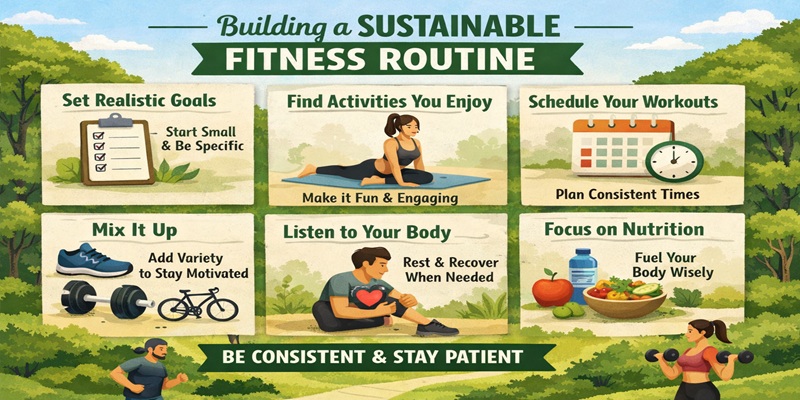
Build a Sustainable Fitness Routine: Effective Tips That Last

Creating an exercise plan you can stick with is crucial for your long-term health. Many people start strong but quickly lose momentum. A truly effective fitness routine is one that fits your life, not one that forces you to completely change it. This approach is different from extreme programs that promise fast results. Those often lead to burnout or injury. The real goal is consistency over intensity. You want a plan that supports your wellness for years, not just weeks. We understand the challenges. A busy schedule, low motivation, and not knowing where to begin are common hurdles. This guide will help you overcome them. You will learn professional strategies to create a plan that enhances your physical health and mental well-being.
The focus is on finding what works for your unique circumstances and goals. Whether you are a beginner or returning to exercise, these adaptable strategies will set you up for lasting success.
Key Takeaways
- A sustainable plan is realistic and fits into your existing lifestyle.
- Consistency is far more important than short-term, high-intensity efforts.
- This approach helps prevent burnout and reduces the risk of injury.
- The benefits extend beyond physical health to improved mental well-being and energy.
- Strategies can be adapted for any fitness level, from beginner to advanced.
- The focus is on long-term maintenance, not perfection.
Understanding the Importance of a Sustainable Fitness Routine
Crafting movement patterns that integrate seamlessly into your daily existence creates the foundation for lifelong vitality. This approach focuses on gradual, consistent improvement rather than dramatic, short-lived transformations.
Benefits of a Sustainable Exercise Plan
A well-designed program offers remarkable advantages for your entire being. Physically, regular activity strengthens your heart, builds muscular endurance, a
nd supports metabolic function. Mentally, consistent movement reduces stress and boosts mood through natural endorphin release. You'll experience better sleep and enhanced cognitive performance. These benefits accumulate over time, creating lasting wellness.
Assessing Your Current Fitness Level
Before starting any new regimen, honestly evaluate where you are today. Understanding your baseline helps set realistic targets and track meaningful advancement. Measure key areas like cardiovascular endurance, strength, flexibility, and balance. Simple tests include timing how long you can maintain aerobic activity or checking your range of motion. This assessment identifies strengths and areas needing attention. Your starting point is personal and unique. Focus on your own journey rather than comparing yourself to others. Proper evaluation minimizes injury risk while maximizing long-term success.
Building a Sustainable Fitness Routine
A powerful strategy for long-term exercise success involves defining precise targets and designing a manageable weekly schedule. This moves you
from vague hopes to a clear path forward.
Defining Clear and Realistic Fitness Goals
Effective objectives are your roadmap. Use the SMART framework to create them. This means your goals should be Specific, Measurable, Achievable, Relevant, and Time-bound. Instead of "get stronger," aim for "perform 10 push-ups in a row within eight weeks." A clear target like "walk a 5K in under 45 minutes" provides focus. Your ultimate goal gives every workout a purpose. First, honestly assess your current fitness level. This ensures your goals are challenging but not discouraging. Setting a target that matches your fitness level prevents frustration and keeps you motivated.
Crafting Your Weekly Workout Plan
Your weekly plan brings structure. A balanced approach includes different types of workouts. Aim for cardiovascular activity three to four days per week. Add strength training two to three times weekly. Include flexibility or recovery sessions once or twice. This variety builds a well-rounded routine and prevents injury. Consistency is non-negotiable. Schedule your workouts like important appointments. Pick a specific time that fits your life. Start with a manageable schedule you can maintain over weeks. Gradually increase intensity as you progress. For more detailed guidance on creating a sustainable exercise routine, explore our dedicated resources. This helps you build a routine that lasts.
Incorporating Variety and Enjoyable Workouts
Finding physical activities that bring you joy creates the foundation for a sustainable movement practice. When exercise feels like pleasure rather than punishment, showing up becomes natural.
Choosing Activities That You Love
Enjoyment is the most powerful predictor of long-term adherence to any exercise program. When you genuinely look forward to your workouts, they transform from obligation into a rewarding part of your day. Your brain files joyful movement as a positive experience you want to revisit. Forced exercises create mental resistance that undermines consistency. This psychological principle makes enjoyment essential. Explore different types of physical activity to discover what resonates. Consider traditional gym training, outdoor adventures, group classes, or solo pursuits like yoga. Dance-based workouts and recreational sports offer additional options. Variety prevents boredom and maintains engagement. It also challenges your body in different ways, working various muscle groups and reducing injury risk. A balanced mix might include cardio for heart health, strength exercises for development, and flexibility work. Try introductory classes or exercise with friends who have different interests. For more guidance on discovering activities you'll love, explore this resource on developing a sustainable fitness routine. Periodically rotating activities keeps your fitness journey fresh and exciting.
Overcoming Barriers and Fears in Fitness
A significant hurdle for many is 'fitness resistance,' a reluctance to begin an exercise program often rooted in fear. This fear usually stems from negative past experience or anxiety about judgment. Understanding these feelings is the first step toward moving past them.
Addressing the Fear of Failure and Judgment
Fear of failure often comes from a previous bad experience. Maybe a gym class was too intense, or the environment felt intimidating. This can make you hesitant to try again. A powerful strategy is to build confidence at home first. Master basic movements in a private space. This prepares you for any public exercise setting. When you feel ready, research inclusive spaces. Look for a gym or studio that welcomes all levels. Adopting a positive mindset is key. Remind yourself, "I belong here."
For more strategies on overcoming common barriers, explore trusted resources. Your journey is unique.
Preventing Injuries with Proper Warm-ups and Modifications
Fear of pain is another major barrier. You can manage this risk effectively. A proper warm-up is non-negotiable for injury prevention. Spend at least 10 minutes preparing your body. Include light cardio and dynamic stretches. This readies your muscles for action. It's also vital to understand your body's signals. The table below clarifies the difference between safe discomfort and warning signs.
Understanding Your Body's Signals
| Good Pain (DOMS) | Bad Pain (Injury) |
| A general muscle ache 1-2 days after exercise | Sharp, stabbing, or throbbing sensation |
| Feels like stiffness and tenderness | Intense burning or joint pain |
| Eases with movement and light activity | Worsens with activity; requires you to stop |
Always listen to your body and allow for adequate rest. Modifications are a smart way to tailor any exercise to your current level.
Adopting a Positive, Growth-Oriented Mindset
Your mindset is a critical part of your fitness success. Reframe exercise as self-care, not punishment. This shift boosts long-term motivation.
Focus on your own progress. Celebrate small victories. Every bit of time you invest is a step forward. A supportive mindset turns challenges into opportunities for growth.
Leveraging Technology and Community for Motivation
Modern technology offers powerful tools to enhance your commitment and make your exercise regimen more engaging. These resources provide structure, track your advancement, and connect you with others. This combination of digital aids and human connection is a game-changer for long-term adherence.
Utilizing Fitness Apps and On-Demand Workouts
A good fitness app acts as your personal guide. It helps you schedule sessions, set reminders, and access a vast library of on-demand workouts. This flexibility means you can exercise on your own time. You can follow programs designed by expert instructors to meet specific goals. Tracking your progress is crucial for motivation. Apps log calories burned, personal records, and other milestones. Seeing concrete evidence of your improvement provides a significant motivational boost. Gamification features like leaderboards add a fun, competitive edge.
Connecting with a Supportive Fitness Community
Community support is a powerful force for sustaining your efforts. Sharing your fitness journey with others creates accountability and encouragement. You can find this connection in online platforms, social media groups, or even with a workout buddy. Celebrating each other's victories reinforces positive behavior. It turns solitary exercise into a shared experience.
Technology vs. Community Support
| Technology Advantages | Community Advantages |
| Provides structure and expert tips | Offers accountability and emotional support |
| Tracks quantitative progress and milestones | Celebrates qualitative success and shared experiences |
| Offers flexibility with on-demand workouts | Provides motivation through friendly interaction |
Combining both technological tools and community engagement creates a robust system for achieving your fitness goals. This integrated approach significantly increases your chances of long-term success.
Conclusion
The ultimate reward of your efforts is a fitness routine that feels like a natural part of your lifestyle. This sustainable approach is built on honesty about your starting point, clear goals, and activities you genuinely enjoy. Remember, adequate rest and recovery are not signs of stopping but essential for progress. Embrace a mindset focused on growth, not perfection. Leverage technology for structure and community for support. Your journey is personal. For more inspiration on how to develop a sustainable fitness routine you, explore our resources. Start today. Take one small step. Schedule a workout, try a new exercise, or simply go for a walk. Consistency over time is your true path to lasting health and success.
0 Comments
Be the first to share your thoughts on this article.