
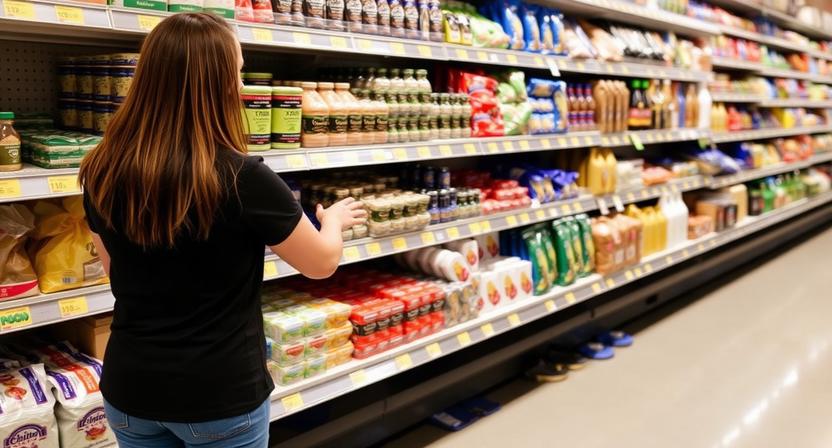
How to Save Money on Groceries

Food is one of those expenses that feels non-negotiable—after all, you have to eat. Yet for many households, grocery spending represents one of the largest and most variable line items in the monthly budget, often consuming 10-15% of take-home income or more. The average family can easily spend £400-800 monthly (or $600-1,200 in the US) on groceries, and when you're not paying attention, that number creeps even higher through a combination of impulse purchases, food waste, convenience choices, and simply not shopping strategically.
Here's the empowering truth: grocery spending is one of the most controllable expenses in your budget. Unlike fixed costs such as rent, mortgage, or insurance premiums that are difficult to change, you make grocery decisions multiple times weekly. Each shopping trip, each meal choice, each food storage decision represents an opportunity to save money—and those savings compound quickly.
Reducing grocery spending by just 20-30% could free up £80-240 monthly or more—that's £960-2,880 annually that could pay down debt, build emergency savings, or fund other financial goals. The best part? You can achieve these savings without sacrificing nutrition, taste, or satisfaction. It's not about eating poorly or going hungry—it's about shopping smarter, wasting less, and being more intentional about food choices.
This comprehensive guide provides practical, actionable strategies for dramatically reducing grocery costs without feeling deprived. These aren't extreme couponing tactics that require hours of work for minimal savings—they're sustainable approaches that fit into real life while generating meaningful financial impact.
Strategy 1: Plan Your Meals and Shop With a List
The single most powerful grocery-saving strategy is also the simplest: plan meals before shopping and stick to a detailed list.
Why This Works
Grocery stores are meticulously designed to encourage impulse purchases. Product placement, lighting, music, enticing displays, and strategically positioned sale items all work to make you buy more than you intended. Walking into a store without a clear plan is like entering a casino—the house (store) nearly always wins.
When you shop without a list, you buy based on impulse, mood, and whatever looks appealing in the moment. This leads to purchasing items you don't need, forgetting items you do need (requiring additional trips where you'll buy more unplanned items), and buying ingredients without clear plans for using them (leading to waste).
Conversely, shopping with a detailed list based on planned meals keeps you focused, dramatically reduces impulse purchases, ensures you buy only what you'll actually use, and eliminates the expensive "what should we eat?" question that often leads to takeout.
How to Implement This
Weekly meal planning session: Dedicate 20-30 minutes weekly to planning meals. Check your schedule—which nights are busy requiring quick meals? When do you have time for more elaborate cooking? Plan accordingly.
Inventory first: Before planning, check what you already have—pantry staples, freezer items, refrigerator contents. Plan meals that use these items first, preventing waste and avoiding duplicate purchases.
Build your list: Based on planned meals, create a detailed shopping list organized by store sections (produce, meat, dairy, etc.) to make shopping efficient. Include quantities to prevent overbuying.
Stick to the list ruthlessly: Once in the store, purchase only what's on your list unless you encounter exceptional unexpected bargains on items you regularly use and can properly store.
The Expected Savings
Studies consistently show that shopping with a list reduces grocery spending by 15-25% by eliminating impulse purchases. For a family spending £600 monthly, that's £90-150 monthly or £1,080-1,800 annually—substantial savings from one simple habit.
Strategy 2: Embrace Store Brands and Generic Products
Brand loyalty costs you hundreds or thousands annually for products that are often chemically identical to cheaper alternatives.
Why This Works
Many people automatically reach for name-brand products out of habit, assumption that they're higher quality, or preference for familiar packaging. Yet in many categories—basic staples, canned goods, frozen vegetables, dairy products, cleaning supplies—store brands and generics are literally identical to name brands, sometimes manufactured in the same facilities.
The price premium for brand names often ranges from 20-40% or more. You're paying for marketing, packaging, and brand recognition—not better quality or taste in most cases.
How to Implement This
Start with low-risk categories: Begin switching to store brands for items where quality differences are minimal or nonexistent—flour, sugar, rice, pasta, canned tomatoes, frozen vegetables, milk, eggs, butter, basic spices, paper products, cleaning supplies.
Blind taste tests: For products where you're skeptical, conduct home taste tests. Buy both name brand and store brand, remove identifying packaging, and honestly assess whether you can taste a difference. Often you can't.
Read ingredients: Compare ingredient lists. If they're identical or nearly identical, the products are functionally the same regardless of branding.
Keep favorites: For products where you genuinely prefer name brands and the difference matters to you, keep buying them. This isn't about eliminating all preferences—it's about making conscious choices rather than defaulting to expensive options.
The Expected Savings
Switching 75% of your purchases to store brands typically saves 15-30% on those items. For a household spending £600 monthly on groceries, if £450 switches to generics at 25% savings, that's £112.50 monthly or £1,350 annually—significant savings requiring zero sacrifice in most cases.
Strategy 3: Buy in Bulk (Strategically)
Bulk purchasing reduces per-unit costs substantially, but only when done strategically for items you'll actually use before they spoil.
Why This Works
Larger package sizes almost always cost less per unit—per ounce, per pound, per serving—than smaller packages. This "bulk discount" can range from 20-60% depending on the product.
However, bulk buying creates savings only if you actually use everything before it expires. Buying a huge bag of fresh spinach that rots half-used costs more than buying a smaller amount you'll consume completely.
How to Implement This
Focus on non-perishables and freezables: Buy in bulk items with long shelf life—rice, pasta, dried beans, canned goods, cooking oil, flour, sugar, spices, paper products, cleaning supplies. Also buy bulk amounts of items you can freeze—meat, bread, cheese, some vegetables.
Calculate unit prices: Don't assume bigger is always cheaper. Check unit prices (price per ounce or pound) on shelf labels. Occasionally smaller sizes are actually better value due to promotional pricing.
Split bulk purchases: Consider splitting large bulk packages with friends or family. Buy the economical large package, then divide it, sharing both the cost and the product.
Proper storage: Invest in proper storage containers—airtight containers for pantry goods, freezer bags and containers for frozen items. Proper storage extends shelf life and prevents waste, making bulk buying economical.
The Expected Savings
Strategic bulk buying typically saves 15-25% on items purchased this way. If bulk purchases represent half your grocery spending (£300 of £600), saving 20% means £60 monthly or £720 annually.
Strategy 4: Reduce Food Waste Dramatically
Food waste is literally throwing money in the bin. The average household wastes 25-40% of food purchased—staggering financial loss that's almost entirely preventable.
Why This Works
When you buy food and don't eat it before it spoils, you've wasted money twice: once on the original purchase and again on disposal. For a family spending £600 monthly on groceries, wasting 30% means £180 monthly or £2,160 annually literally thrown away.
Reducing waste doesn't require buying less food—it requires using what you buy more efficiently through better planning, storage, and creative cooking.
How to Implement This
First-in-first-out organization: Organize your fridge and pantry so older items are at the front and get used first. When putting away groceries, move older items forward and place new items behind.
Understand date labels: "Best by," "sell by," and "use by" dates are generally quality indicators, not safety deadlines. Most foods remain safe well beyond these dates. Use your senses—sight, smell, taste—to determine if food is still good.
Proper storage techniques: Learn optimal storage for different foods. Some produce lasts longer in the fridge, some prefers counters. Leafy greens last longer when washed, dried thoroughly, and stored in containers with paper towels. Cheese lasts longer when properly wrapped.
Freeze before spoiling: When food is approaching the end of freshness, freeze it. Bread, meat, many vegetables, even milk can be frozen. Overripe bananas make perfect smoothies or banana bread.
Create "eat first" zones: Designate a specific fridge shelf or container for items approaching expiration. Make it a rule to eat from this zone first.
Embrace leftovers creatively: Intentionally cook larger portions, turning them into multiple meals. Last night's roast chicken becomes today's chicken salad, then tomorrow's chicken soup. Leftover rice becomes fried rice. Leftover vegetables become frittatas or soup.
Compost if possible: For truly spoiled food, composting is better than binning. While it doesn't recover the money spent, it creates valuable compost for gardens if you have outdoor space.
The Expected Savings
Reducing food waste from 30% to 10% on a £600 monthly grocery budget saves £120 monthly or £1,440 annually—money you've already spent but will now actually receive value from.
Strategy 5: Cook From Scratch More Often
Convenience and prepared foods cost 2-5 times more than cooking from basic ingredients, and the savings from home cooking are substantial.
Why This Works
Pre-cut vegetables, meal kits, pre-marinated meats, prepared meals, and semi-prepared foods all charge significant premiums for convenience—sometimes 200-400% more than buying basic ingredients and preparing food yourself.
A jar of pasta sauce costs £2-4 and serves 4-6. Making sauce from tomatoes, onions, garlic, and herbs costs £1.50 and tastes better. Pre-cut vegetables cost twice as much as whole vegetables. A bag of pre-washed salad costs £2-3; a head of lettuce costs £0.80 and makes three times as much salad.
How to Implement This
Master basic cooking skills: Learn fundamental techniques—how to chop vegetables efficiently, cook rice and pasta, prepare basic sauces, roast vegetables, cook meat properly. These skills aren't difficult and save extraordinary amounts.
Batch cooking and freezing: Dedicate a few hours weekly or monthly to batch cooking. Make large quantities of soups, sauces, casseroles, or base ingredients. Portion and freeze them. You'll have convenient meals at scratch-cooking prices.
Weekend meal prep: Spend 1-2 hours on weekends preparing ingredients—washing and chopping vegetables, marinating meat, cooking grains. This makes weeknight cooking faster and prevents expensive convenience food purchases on busy days.
Keep it simple: Scratch cooking doesn't mean elaborate recipes. Simple meals—grilled chicken with roasted vegetables and rice, pasta with homemade sauce, bean-based soups—are inexpensive, nutritious, and quick once you develop efficiency.
Build a core recipe collection: Develop 10-15 go-to meals you can make efficiently from memory. Rotation through these provides variety without requiring constant recipe research.
The Expected Savings
Shifting from 50% convenience foods to 80% scratch cooking typically saves 20-35% overall. On a £600 monthly grocery budget, that's £120-210 monthly or £1,440-2,520 annually—one of the highest-impact savings strategies.
Strategy 6: Shop Seasonally and Use Sale Cycles Strategically
Timing your purchases around seasonal availability and predictable sale cycles dramatically reduces per-item costs.
Why This Works
Produce costs vary enormously by season. Strawberries in December cost 3-4 times more than strawberries in June because they're imported from distant locations. Butternut squash in autumn costs half what it costs in spring.
Similarly, grocery stores run predictable sale cycles. Meat often goes on sale with holiday promotions. Baking supplies discount before holidays. Understanding these patterns allows you to stock up when prices are lowest.
How to Implement This
Eat seasonally: Build your meal planning around what's currently in season and therefore cheapest. Summer means tomatoes, courgettes, berries, and stone fruits. Autumn means apples, squash, root vegetables. Winter means citrus and hearty greens. Spring means asparagus, peas, and early greens.
Buy seasonal items in bulk and preserve: When produce is at peak season and lowest price, buy large quantities and preserve through freezing, canning, or dehydrating if you have the skills and equipment.
Stock up on sale items: When non-perishable staples or freezable items you regularly use go on sale at significant discounts (30%+ off), buy multiple units—enough to last until the next sale cycle.
Use sales apps and store loyalty programs: Most supermarkets have apps showing current sales and digital coupons. Load these before shopping. Loyalty programs often provide additional discounts or points toward future savings.
Flexible meal planning: Rather than planning exact meals before seeing what's on sale, plan categories—"chicken meal," "pasta meal," "soup"—then finalize specifics based on what's discounted that week.
The Expected Savings
Shopping sales strategically and eating seasonally typically saves 15-25% overall. On a £600 monthly budget, that's £90-150 monthly or £1,080-1,800 annually.
Strategy 7: Reduce Meat Consumption (Even Modestly)
Meat typically represents the most expensive portion of grocery budgets. Even modest reductions create substantial savings without requiring vegetarianism.
Why This Works
Meat costs significantly more per pound than plant-based proteins—beans, lentils, eggs, tofu. A pound of chicken might cost £5-8, beef £8-15. A pound of dried beans costs £1-2 and provides similar protein. A dozen eggs costs £2-3 and provides substantial protein.
You don't need to eliminate meat entirely to capture savings. Simply reducing meat consumption from 7 days weekly to 4-5 days, with plant-based proteins filling the gap, creates meaningful savings while potentially improving health.
How to Implement This
Meatless Monday (or any day): Commit to one or two meatless days weekly. This alone reduces meat purchases by 15-30% without feeling restrictive.
Stretch meat with plant proteins: Add beans or lentils to meat dishes, stretching servings. Chili with half mince and half beans tastes great and costs less. Tacos with mixed meat and beans work perfectly.
Use meat as flavoring rather than centerpiece: Asian and Mediterranean cuisines often use small amounts of meat for flavor in primarily vegetable-based dishes. A little meat goes much further this way.
Embrace eggs: Eggs are inexpensive, versatile, nutritious protein. Breakfast for dinner—omelets, frittatas, egg fried rice—provides satisfying meals at minimal cost.
The Expected Savings
Reducing meat consumption by 30-40% typically saves 10-20% on total grocery spending since meat represents such a large portion of costs. On a £600 monthly budget, that's £60-120 monthly or £720-1,440 annually.
Strategy 8: Shop at Multiple Stores Strategically
No single store offers best prices on everything. Strategic multi-store shopping captures the best deals from each.
Why This Works
Budget stores (Aldi, Lidl in the UK; Walmart, Aldi in the US) typically offer better prices on basics and staples. Conventional supermarkets often have better sales on specific items and broader selection. Ethnic markets frequently offer exceptional prices on produce, spices, and specialty items. Warehouse clubs provide excellent bulk pricing on certain items.
Shopping exclusively at one store for convenience means paying premium prices on many items. Strategic multi-store shopping requires more planning but generates substantial savings.
How to Implement This
Primary shop at budget stores: Do your main shopping at discount stores for basics—staples, canned goods, frozen items, dairy, cleaning supplies, paper products.
Secondary shop for sales and specialties: Visit conventional supermarkets for specific sale items and products unavailable at budget stores.
Ethnic markets for produce and specialty items: Asian, Latin, or Middle Eastern markets often sell produce, spices, and specialty ingredients at a fraction of conventional supermarket prices.
Online for specific items: Some items—particularly shelf-stable staples—might be cheaper ordered online in bulk with free shipping.
Balance savings against time: Multi-store shopping generates savings, but your time has value. Limit yourself to 2-3 stores and route them efficiently. Don't drive across town to save £2 on one item.
The Expected Savings
Strategic multi-store shopping typically saves 15-30% compared to shopping exclusively at mid-priced supermarkets. On a £600 monthly budget, that's £90-180 monthly or £1,080-2,160 annually.
Strategy 9: Grow Your Own (Even a Little)
Even small-scale home growing—herbs on a windowsill, tomatoes in pots, a modest garden plot—provides fresh produce at minimal cost.
Why This Works
Seeds and seedlings cost very little, and many plants produce abundantly with basic care. A £2 tomato plant can produce 10-20 pounds of tomatoes. A £1 packet of basil seeds provides fresh herbs all summer. Even apartment dwellers can grow herbs, salad greens, or cherry tomatoes in containers.
Beyond financial savings, homegrown produce tastes better (picked at peak ripeness), contains no pesticides unless you apply them, and provides satisfaction and connection to food sources.
How to Implement This
Start simple: Begin with easy-to-grow items—herbs (basil, parsley, cilantro, mint), tomatoes, lettuce, courgettes, beans. Don't attempt elaborate gardens immediately.
Container growing: If you lack garden space, grow in containers on balconies, patios, or even sunny windowsills. Many vegetables thrive in pots.
Regrow from scraps: Some vegetables regrow from kitchen scraps—spring onions, lettuce, celery, herbs. Place roots or bases in water, and they'll sprout new growth.
Seasonal awareness: Plant according to your climate and season. Some vegetables thrive in cool weather (lettuce, peas, broccoli), others need heat (tomatoes, peppers, courgettes).
The Expected Savings
Even modest home growing can save £10-30 monthly on produce, or £120-360 annually. More ambitious gardeners save substantially more—potentially £50-100 monthly during growing season—while improving food quality.
Strategy 10: Drink Water (And Make Coffee at Home)
Beverages—soft drinks, juice, coffee, alcohol—represent significant grocery costs that are largely optional.
Why This Works
Water is essentially free from taps and provides complete hydration without calories, sugar, or cost. Yet many families spend £50-100+ monthly on bottled beverages—soft drinks, juice, bottled water, alcohol—that provide minimal nutritional value at substantial cost.
Similarly, coffee shop purchases—£3-5 per drink—add up alarmingly quickly. Daily £4 coffee purchases cost £120 monthly or £1,440 annually. Home-brewed coffee costs approximately £0.30 per cup—the same daily coffee habit costs £9 monthly at home.
How to Implement This
Default to water: Make water your primary beverage. If you dislike tap water taste, inexpensive filters improve it dramatically at tiny cost compared to bottled alternatives.
Limit juice: Juice is essentially sugar water with vitamins—not particularly healthy despite marketing. If you buy juice, use it sparingly. Better yet, eat whole fruit instead, which provides fiber and satiation.
Reduce soft drinks: These provide zero nutrition, substantial sugar, and significant cost. Reduce or eliminate them. If you need carbonation, consider a home carbonation system (SodaStream or similar)—the per-serving cost is far lower than purchased fizzy drinks.
Home coffee and tea: Brew coffee and tea at home. Even quality coffee beans brewed at home cost a fraction of coffee shop purchases. Use a good travel mug for coffee on the go.
Moderate alcohol: Alcohol represents substantial grocery spending for many households. Reducing consumption or buying more economical options generates both financial and health benefits.
The Expected Savings
Eliminating purchased beverages except occasional treats, switching to home-brewed coffee, and drinking primarily water typically saves £50-100 monthly or £600-1,200 annually—substantial savings for such simple changes.
Strategy 11: Master the Art of Using Everything
The most frugal cooks waste nothing, finding creative uses for every bit of food.
Why This Works
Many people discard perfectly edible food—vegetable trimmings, meat bones, stale bread, cheese rinds, herb stems—because they don't know how to use them. These "scraps" can make stocks, sauces, croutons, and other valuable ingredients at zero additional cost.
How to Implement This
Make stock: Save vegetable trimmings, meat bones, and poultry carcasses in the freezer. When you've accumulated enough, make stock—far superior to purchased stock at near-zero cost.
Stale bread revival: Stale bread becomes croutons, breadcrumbs, bread pudding, French toast, or panzanella salad. Never throw away bread.
Vegetable scrap cooking: Broccoli stems are delicious peeled and sliced. Beet greens and turnip greens are edible and nutritious. Herb stems add flavor to stocks and sauces. Carrot tops make pesto.
Cheese rind uses: Hard cheese rinds (Parmesan, Pecorino) add tremendous flavor to soups and sauces. Toss them in while cooking, then remove before serving.
Pickle or ferment: Vegetables approaching the end of freshness can be quickly pickled (refrigerator pickles require no special equipment or skills) or fermented, extending their life and adding variety.
The Expected Savings
Using every bit of food rather than discarding edible portions effectively increases the value of your grocery purchases by 5-10%, saving £30-60 monthly or £360-720 annually.
Strategy 12: Understand True Hunger vs. Appetite
This psychological strategy sounds simple but profoundly affects grocery spending and food consumption.
Why This Works
We often eat (and therefore buy food) based on appetite—the desire to eat—rather than true hunger—physiological need for fuel. Appetite is influenced by emotions, habits, boredom, stress, and external cues (advertising, food visibility), while hunger reflects actual caloric needs.
When you distinguish true hunger from mere appetite, you naturally eat less, which means buying less food while often improving health through reduced overconsumption.
How to Implement This
Eat mindfully: Pay attention while eating. Eat slowly, savoring food, and stop when satisfied rather than stuffed. This reduces overall consumption.
Shop fed, not hungry: Always shop after eating. Shopping hungry leads to overbuying as everything looks appealing and appetite overrides rational decisions.
Address emotional eating: If you eat primarily for emotional comfort rather than hunger, address the underlying emotions through other means. Food is expensive, temporary comfort.
Proper portions: Many people consume portions far exceeding actual needs. Learn appropriate portion sizes and serve accordingly. You can always have seconds if truly still hungry.
The Expected Savings
Reducing food purchases by 10-15% through eating according to actual hunger rather than appetite saves £60-90 monthly or £720-1,080 annually while potentially improving health and reducing weight.
Putting It All Together: Your Grocery Savings Action Plan
Implementing all these strategies simultaneously would be overwhelming. Instead, choose 3-5 strategies that feel most achievable and impactful for your situation.
Perhaps you'll start with meal planning and shopping with lists (Strategy 1), switching to store brands (Strategy 2), and reducing food waste (Strategy 4). Master these, then add cooking from scratch (Strategy 5) and shopping seasonally (Strategy 6).
Even implementing just a few strategies typically saves 20-40% on grocery spending. For a family spending £600 monthly, that's £120-240 monthly or £1,440-2,880 annually—substantial money that can transform your financial situation when redirected to debt payoff, savings, or other goals.
The key is consistency. These strategies work when practiced regularly, becoming habits rather than occasional efforts. Give yourself 2-3 months to develop new patterns, and they'll become second nature.
Your grocery spending is completely within your control. Every shopping trip, every meal, every storage decision is an opportunity to save money while eating well. The power is yours—now use it strategically. What's the first strategy you'll implement this week?
0 Comments
Be the first to share your thoughts on this article.