
Finance
October Fed Meeting 2026: What the Hold Means for Your Money

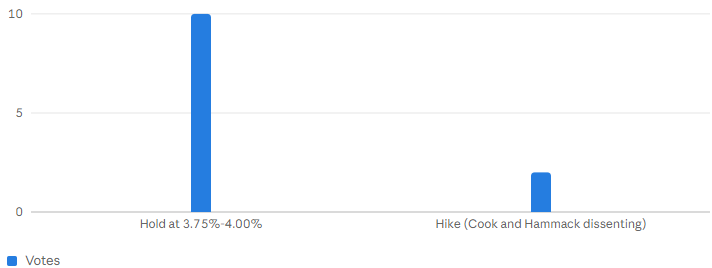
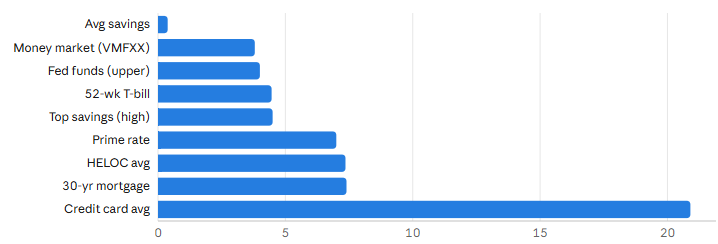
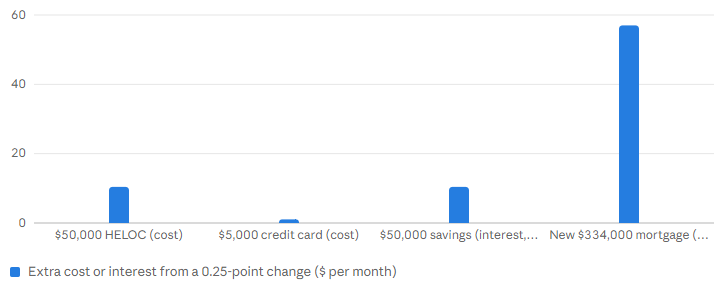
Decision (Oct 28, 2026): federal funds target held at 3.75%–4.00%; vote 10–2, with Cook and Hammack dissenting for a hike; September’s 0.25-point hike was the first since 2023. Before the meeting, futures priced a hold at roughly 90%–93% and under 10% for a hike; nearly 75% expected at least one hike by year-end. Backdrop: inflation 3.7% in September (oil prices from the US–Iran war); prime rate 7.00%; average HELOC about 7.36%; 30-year mortgage 7.40% (Oct 15); 10-year Treasury about 5.24%; average card APR about 20.9%; top savings 4.34%–4.50%; 52-week T-bill 4.46%. My arithmetic: a 0.25-point move changes interest by about $10.42 a month on a $50,000 HELOC or $50,000 of savings, about $1 a month on a $5,000 card balance, and about $57 a month on a new $334,000 30-year mortgage (if mortgage rates moved the same amount).
A hold sounds like a non-event, and for your wallet today it largely is. But the details matter: the split vote, the signals about December and a surprising announcement about how the Fed will run its meetings next year. This guide explains what happened, why and what it means for savers, borrowers, homeowners and investors, with the numbers to show it.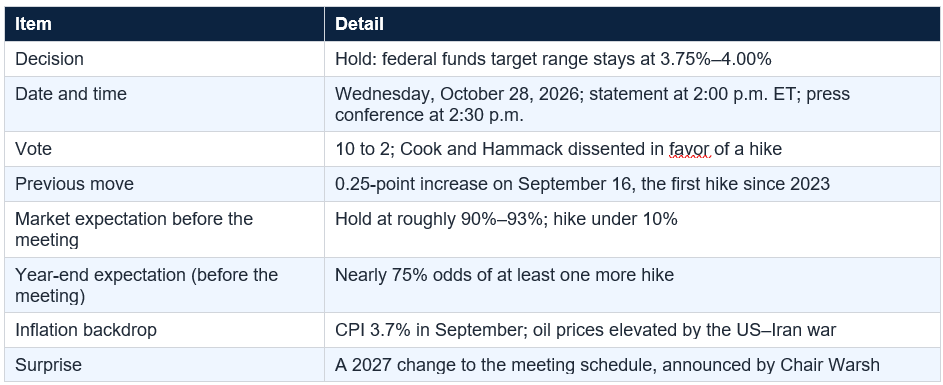
The case for hiking, which two members made with their votes, is also clear. Inflation rose to 3.7% in September, driven by energy costs linked to the war with Iran, and real hourly earnings are falling. Some economists, including former Fed vice chair Roger Ferguson, argued that more hikes are needed to tackle inflation. Chair Warsh was asked about the political backdrop, with midterm elections six days away, and said politics played no role in the decision. Vote: 10 to hold, 2 for a hike (Cook and Hammack). Inflation: 3.7% in September. Pre-meeting odds: roughly 90%–93% hold; under 10% hike; nearly 75% for at least one hike by year-end.
Then came the schedule announcement. Warsh said the Fed will keep eight meetings a year, but in 2027 one meeting will focus on broad monetary policy strategy, with neither a vote on the federal funds rate nor a policy statement anticipated. In plain English, one of next year’s meetings will be a strategy discussion, not a decision day. It does not change how rates are set at the other meetings, but it signals a chair who wants to rethink how the Fed does its job.
What would change that? Cooling inflation or a weakening job market would make the Fed more comfortable staying on hold. Sticky inflation or higher oil prices would push the other way. With no new rate projections scheduled in October, the data between now and the December meeting, including the next inflation report in mid-November, will carry the weight.
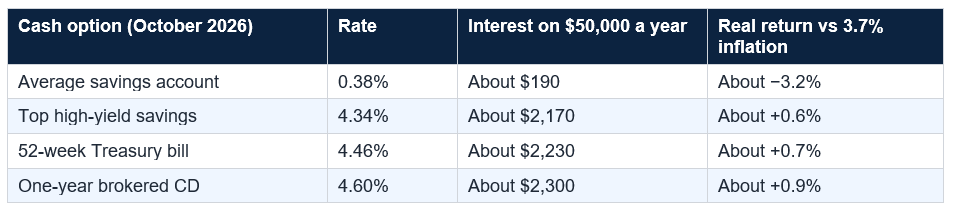
If the Fed hikes in December, savings rates may rise a little, but banks tend to pass increases to savers slowly and sometimes not at all. In my arithmetic, a quarter-point increase fully passed on would add about $125 a year on $50,000, or about $10 a month. The practical move is the same as before: do not leave cash in a low-paying default account, and consider locking part of it in a CD or Treasury if you will not need it soon.
The size of the effect is modest but real. By my arithmetic, a quarter-point rise adds about $10.42 a month to a $50,000 HELOC and about $12.50 a year, or $1 a month, to a $5,000 card balance. The bigger point about credit cards is that the rate is already about 21%. A quarter-point matters less than paying down the balance. If you carry a balance, the best move is to pay it off, not to wait for the Fed.
If you have an adjustable-rate mortgage or a home equity line, short-term rates matter more, and a December hike would raise your payment. If you are buying, a rough illustration: on a $334,000 loan, a quarter-point difference in the mortgage rate is worth about $57 a month. As always, shop the whole market, compare fees and consider how much payment change you can absorb before you lock.
For long-term investors, the Fed meeting should not change the plan. Rate moves are one of many forces on markets, and trying to trade around each meeting is a classic way to underperform. If you hold bonds, remember that rising rates push existing bond prices down while raising future income. If you are close to retirement or need money soon, keep that portion in cash or Treasuries rather than in stocks.

Nobody knows what the Fed will do in December. Even with futures pointing to a hike, Chair Warsh has avoided explicit forward guidance, and the data can change the picture within weeks. Treat any prediction, including mine, with caution.
Fifth, if you hold bonds or bond funds, understand how rising rates affect their prices and what your time horizon is. Sixth, keep an emergency fund of three to six months of expenses. And seventh, avoid making big financial decisions in reaction to a single Fed meeting. The data and your own plan matter more than any one headline. List your variable-rate debts and your cash balances. For each, write down what a quarter-point move would do to your monthly budget. Then decide which one to fix first.
The best response is practical, not predictive. Earn more on cash, pay down expensive debt, know what a higher rate would do to your payments and keep your long-term plan. You cannot control the Fed, but you can control how exposed you are to it. This is general education, not personalized advice, and a qualified adviser can help you apply it.
No. The Federal Open Market Committee held the federal funds target range at 3.75% to 4.00% on October 28, 2026, in a 10 to 2 vote, according to reports on the decision. Cook and Hammack dissented in favor of a hike. The Fed raised rates by a quarter point in September, its first increase since 2023.
Will the Fed raise rates in December?
Markets think a December hike is likely, but it is not decided. Before the meeting, fed funds futures showed nearly 75% odds of at least one hike by year-end, and a Reuters survey cited in one preview had all 100 economists forecasting a December increase. Chair Warsh has avoided explicit forward guidance, so incoming data on inflation and jobs will matter.
What does the Fed decision mean for my savings account?
A hold means savings rates should stay roughly where they are for now, with top accounts at about 4.34% to 4.50% in mid-October. If the Fed hikes in December, online savings rates may rise a little, but banks often pass increases to savers slowly. On $50,000, a quarter-point increase would add about $125 a year if fully passed on.
Do Fed rate decisions change my mortgage rate?
Indirectly. The Fed sets short-term rates, while 30-year mortgage rates follow longer-term yields such as the 10-year Treasury, which was around 5.2% in mid-October. The average 30-year rate was 7.40% on October 15. Adjustable-rate mortgages, HELOCs and credit cards, which track short-term rates more closely, respond faster.
What did Warsh announce about future Fed meetings?
Chair Warsh said the Fed will keep eight meetings a year, but in 2027 one meeting will focus on broad monetary policy strategy, with no vote on the federal funds rate and no policy statement expected. It does not change how the Fed sets rates at its other meetings.
Table of Contents
- The Decision in One Paragraph
- The Fed Decision at a Glance
- Why the Fed Held, and Why Two Members Wanted to Hike
- The Warsh Factor
- What Markets Expect Next
- What It Means for Savers
- What It Means for Borrowers
- What It Means for Mortgage Holders and Buyers
- What It Means for Investors
- Two Scenarios for December
- A Practical Checklist
- What to Watch Next
- Conclusion
- Frequently Asked Questions
How the FOMC voted on October 28, 2026: hold vs. hike
Number of votes by Same-day reports (CNBC, Yahoo Finance, TradersAgency); confirm in the Fed's official statement
Where rates stand after the Fed holds: savings, Fed target, prime, HELOC, mortgage, cards (%)
Rate (%) by MyMoneyBlog, Hans Goldstein, Bankrate, Freddie Mac (Oct 15), BarGames101 (secondary); mid-October readings
What a quarter-point move is worth: monthly dollars on common balances ($)
$ per month by Author's arithmetic; mortgage rates follow the 10-year Treasury, not directly the Fed
The Decision in One Paragraph
This week’s Fed meeting was billed as the biggest economic event on the calendar, with Wall Street wondering what Chair Kevin Warsh and his colleagues would do with interest rates. At 2 p.m. Eastern on Wednesday, October 28, the answer arrived: nothing, mostly. The Federal Open Market Committee held the federal funds target range at 3.75% to 4.00%, leaving it where it has been since September’s quarter-point increase. The vote was 10 to 2, with two members preferring another hike.A hold sounds like a non-event, and for your wallet today it largely is. But the details matter: the split vote, the signals about December and a surprising announcement about how the Fed will run its meetings next year. This guide explains what happened, why and what it means for savers, borrowers, homeowners and investors, with the numbers to show it.
The Fed Decision at a Glance
Why the Fed Held, and Why Two Members Wanted to Hike
The case for holding is simple. The Fed had just raised rates in September, and policymakers often pause to see how a move works through the economy. Other senior officials had signaled comfort with leaving rates unchanged. Market pricing agreed: CME’s FedWatch tool showed less than a 10% chance of a hike ahead of the meeting. The statement stressed the Fed’s commitment to a timely return to its 2% inflation target.The case for hiking, which two members made with their votes, is also clear. Inflation rose to 3.7% in September, driven by energy costs linked to the war with Iran, and real hourly earnings are falling. Some economists, including former Fed vice chair Roger Ferguson, argued that more hikes are needed to tackle inflation. Chair Warsh was asked about the political backdrop, with midterm elections six days away, and said politics played no role in the decision. Vote: 10 to hold, 2 for a hike (Cook and Hammack). Inflation: 3.7% in September. Pre-meeting odds: roughly 90%–93% hold; under 10% hike; nearly 75% for at least one hike by year-end.
The Warsh Factor
This was one of the first big tests of Warsh’s Fed, and the style is different. CNBC noted that he has rejected traditional forward guidance and distanced himself from other officials’ rate forecasts, which makes each meeting harder to read. A Yahoo Finance writer called the Warsh Fed taciturn, which raises the stakes on each decision. For households, that means less advance warning about where rates are heading and more reliance on the data.Then came the schedule announcement. Warsh said the Fed will keep eight meetings a year, but in 2027 one meeting will focus on broad monetary policy strategy, with neither a vote on the federal funds rate nor a policy statement anticipated. In plain English, one of next year’s meetings will be a strategy discussion, not a decision day. It does not change how rates are set at the other meetings, but it signals a chair who wants to rethink how the Fed does its job.
What Markets Expect Next
The hold did not end the story. Before the meeting, nearly 75% of traders expected at least one hike by year-end, according to CME FedWatch data cited by CNBC, and a Reuters survey cited in one preview found all 100 economists forecasting a hike in December. The two dissenters reinforce that view. Reports after the decision suggested a December hike looks far more likely than not, though it is a market probability, not a Fed commitment.What would change that? Cooling inflation or a weakening job market would make the Fed more comfortable staying on hold. Sticky inflation or higher oil prices would push the other way. With no new rate projections scheduled in October, the data between now and the December meeting, including the next inflation report in mid-November, will carry the weight.
What It Means for Savers
The good news for savers is that the hold keeps rates where they are, and they are not bad. Top savings accounts paid 4.34% to 4.50% in mid-October, according to MyMoneyBlog, a 52-week Treasury bill about 4.46% and brokered CDs up to 5.20%. With inflation at 3.7%, a 4.34% account earns a real return of about 0.6%. The average savings account, at 0.38%, loses about 3 points of purchasing power a year.If the Fed hikes in December, savings rates may rise a little, but banks tend to pass increases to savers slowly and sometimes not at all. In my arithmetic, a quarter-point increase fully passed on would add about $125 a year on $50,000, or about $10 a month. The practical move is the same as before: do not leave cash in a low-paying default account, and consider locking part of it in a CD or Treasury if you will not need it soon.
What It Means for Borrowers
For borrowers, a hold means no relief, but no new pain either. The prime rate, which most credit cards and home equity lines follow, is 7.00% after September’s hike. The average credit card rate is about 20.9%, and Americans owed $1.263 trillion on cards in the second quarter. The average home equity line of credit was about 7.36% in Bankrate’s survey. Because these rates are variable, they would rise within a billing cycle or two if the Fed hikes in December.The size of the effect is modest but real. By my arithmetic, a quarter-point rise adds about $10.42 a month to a $50,000 HELOC and about $12.50 a year, or $1 a month, to a $5,000 card balance. The bigger point about credit cards is that the rate is already about 21%. A quarter-point matters less than paying down the balance. If you carry a balance, the best move is to pay it off, not to wait for the Fed.
What It Means for Mortgage Holders and Buyers
The Fed does not set mortgage rates directly. Thirty-year fixed rates follow longer-term yields such as the 10-year Treasury, which was around 5.2% in mid-October. The average 30-year mortgage rate was 7.40% on October 15, according to Freddie Mac. A Fed hold, with markets expecting a December hike, is unlikely to bring that down quickly, and if inflation worries push long-term yields higher, mortgage rates could rise even without a Fed move.If you have an adjustable-rate mortgage or a home equity line, short-term rates matter more, and a December hike would raise your payment. If you are buying, a rough illustration: on a $334,000 loan, a quarter-point difference in the mortgage rate is worth about $57 a month. As always, shop the whole market, compare fees and consider how much payment change you can absorb before you lock.
What It Means for Investors
Stocks have held up through the Fed’s hikes: the S&P 500 was up about 11.4% for the year as of October 23, though it fell 0.52% that day as oil climbed to about $116 a barrel and yields rose. The 10-year Treasury yield was around 5.2%, which competes with stocks for investors’ money, and the S&P 500’s forward price-to-earnings ratio was about 20 in mid-October. Higher rates tend to hurt the most richly valued and most indebted companies first.For long-term investors, the Fed meeting should not change the plan. Rate moves are one of many forces on markets, and trying to trade around each meeting is a classic way to underperform. If you hold bonds, remember that rising rates push existing bond prices down while raising future income. If you are close to retirement or need money soon, keep that portion in cash or Treasuries rather than in stocks.
Two Scenarios for December
Here are two scenarios, with my own illustrations, not predictions. In the first, the Fed hikes by a quarter point in December, to 4.00% to 4.25%. The prime rate would rise to about 7.25%, variable-rate debt would cost a little more and savings rates might creep up. In the second, the Fed holds again because inflation cools or the economy weakens. Borrowing costs would stay near today’s levels, and markets might trim hike expectations for 2027.Nobody knows what the Fed will do in December. Even with futures pointing to a hike, Chair Warsh has avoided explicit forward guidance, and the data can change the picture within weeks. Treat any prediction, including mine, with caution.
A Practical Checklist
First, check what your savings earn and move idle cash to an insured account paying 4% or more. Second, if you carry credit card debt near 21%, make paying it down your priority, since the Fed’s quarter-point matters little next to the rate you already pay. Third, if you have a HELOC or adjustable-rate loan, know your payment at a rate one point higher. Fourth, if you plan to buy or refinance, compare lenders and keep an eye on the 10-year Treasury, not just the Fed.Fifth, if you hold bonds or bond funds, understand how rising rates affect their prices and what your time horizon is. Sixth, keep an emergency fund of three to six months of expenses. And seventh, avoid making big financial decisions in reaction to a single Fed meeting. The data and your own plan matter more than any one headline. List your variable-rate debts and your cash balances. For each, write down what a quarter-point move would do to your monthly budget. Then decide which one to fix first.
What to Watch Next
Several events will shape the path from here. The US midterm elections on November 3, which the Fed insisted had no role in its decision. The next consumer price report, due in mid-November, which will show whether inflation is cooling or still climbing. Oil prices and the war with Iran, which are driving energy costs. Jobs data, which could weaken the case for hikes. And the Fed’s December meeting, where a hike is the market’s base case. Warsh’s speeches in between could also offer clues, although he has said he prefers not to signal.Conclusion
The October Fed meeting ended with a hold at 3.75% to 4.00%, a 10 to 2 vote with two members wanting a hike and an announcement that the Fed will restructure one of its 2027 meetings. For your money, the immediate effect is small: savings rates stay attractive, variable-rate debt stays expensive and mortgage rates remain near 7.4%. The bigger story is December, where markets see a hike as more likely than not, and a Fed chair who gives few hints.The best response is practical, not predictive. Earn more on cash, pay down expensive debt, know what a higher rate would do to your payments and keep your long-term plan. You cannot control the Fed, but you can control how exposed you are to it. This is general education, not personalized advice, and a qualified adviser can help you apply it.
Frequently Asked Questions
Did the Fed raise rates in October 2026?No. The Federal Open Market Committee held the federal funds target range at 3.75% to 4.00% on October 28, 2026, in a 10 to 2 vote, according to reports on the decision. Cook and Hammack dissented in favor of a hike. The Fed raised rates by a quarter point in September, its first increase since 2023.
Will the Fed raise rates in December?
Markets think a December hike is likely, but it is not decided. Before the meeting, fed funds futures showed nearly 75% odds of at least one hike by year-end, and a Reuters survey cited in one preview had all 100 economists forecasting a December increase. Chair Warsh has avoided explicit forward guidance, so incoming data on inflation and jobs will matter.
What does the Fed decision mean for my savings account?
A hold means savings rates should stay roughly where they are for now, with top accounts at about 4.34% to 4.50% in mid-October. If the Fed hikes in December, online savings rates may rise a little, but banks often pass increases to savers slowly. On $50,000, a quarter-point increase would add about $125 a year if fully passed on.
Do Fed rate decisions change my mortgage rate?
Indirectly. The Fed sets short-term rates, while 30-year mortgage rates follow longer-term yields such as the 10-year Treasury, which was around 5.2% in mid-October. The average 30-year rate was 7.40% on October 15. Adjustable-rate mortgages, HELOCs and credit cards, which track short-term rates more closely, respond faster.
What did Warsh announce about future Fed meetings?
Chair Warsh said the Fed will keep eight meetings a year, but in 2027 one meeting will focus on broad monetary policy strategy, with no vote on the federal funds rate and no policy statement expected. It does not change how the Fed sets rates at its other meetings.
0 Comments
Be the first to share your thoughts on this article.